


2026
What Hard Water Does To Your Plumbing Fixtures and How To Reduce Buildup
Kamloops is known for its stunning semi-arid landscapes and the meeting of the two Thompson Rivers. However, many residents don't realize that the very earth that makes our region beautiful also changes the chemistry of our water.
As water travels through the ground, it picks up minerals like calcium and magnesium. By the time that water reaches your kitchen sink or showerhead, it is considered hard water.
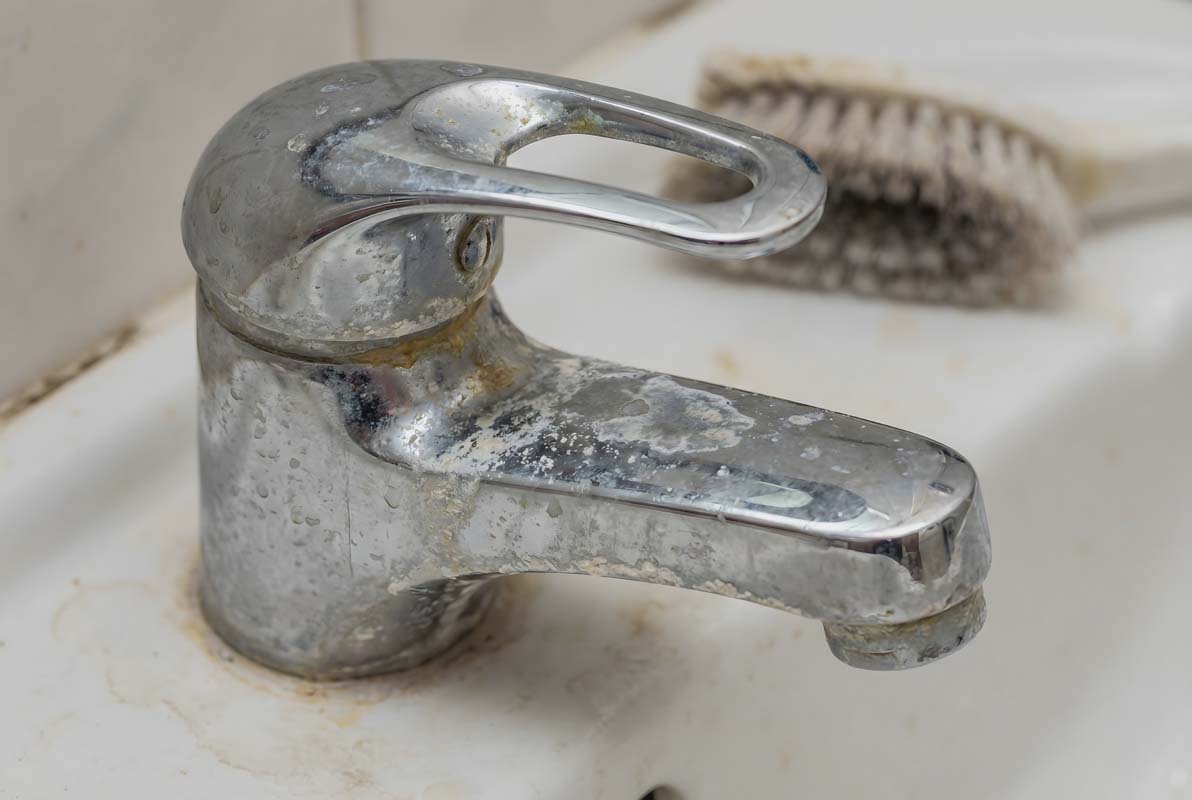
Hard water is not a health risk, but it is a silent predator for your plumbing system. It works slowly, microscopic layer by microscopic layer, to create a chalky white crust known as limescale. If you have ever noticed white spots on your glassware or a stubborn film on your glass shower doors, you have seen the first signs of hard water at work.
The Chemistry Of Mineral Rich Water In Your Pipes
To understand why hard water is such a problem, you have to look at what happens when it gets warm. When water containing dissolved calcium and magnesium is heated inside your pipes or water heater, the minerals crystallize. They transform from a liquid state into a solid, rock like substance.
This solid material attaches itself to any surface it touches. Over time, these layers stack on top of one another. In a standard copper pipe, this buildup narrows the pathway that water can travel through.
Think of it like a clogged artery in a human body. The heart, or in this case your water pump and heater, has to work much harder to push the same amount of water through a smaller opening.
How Limescale Destroys Your Expensive Faucets And Showerheads
Your plumbing fixtures are often the most visible victims of hard water.
High end matte black or brushed gold faucets are particularly susceptible to the aesthetic damage caused by mineral deposits. The white, crusty buildup doesn't just look bad. It actually eats away at the finish of the metal, leading to permanent pitting and corrosion.
Inside the fixture, the situation is even worse. Most modern faucets use delicate ceramic discs or rubber seals to control the flow of water.
When hard water crystals form inside these components, they act like sandpaper. Every time you turn the handle, these crystals grind against the seals. This leads to:
Aerators become clogged, leading to low water pressure and an uneven spray pattern.
Showerhead nozzles get plugged, causing water to shoot out at odd angles.
Decorative finishes lose their shine and become permanently stained.
The Hidden Impact On Your Water Heater Efficiency
The water heater is the most expensive appliance in your plumbing system, and it is also the most vulnerable to hard water.
Whether you have a traditional tank or a modern tankless system, minerals are its primary enemy. In a tank style heater, the calcium settles at the bottom, creating a thick layer of sediment between the burner and the water.
This layer acts as an insulator. The heater has to burn more gas or use more electricity just to get the heat through the layer of rock before it can even start warming the water. This leads to significantly higher monthly energy bills. Furthermore, the bottom of the tank can overheat, causing the metal to fatigue and eventually leak.
In tankless water heaters, the problem is even more immediate. These units use narrow heat exchanger tubes to flash heat the water. Hard water can scale over these tubes very quickly, causing the unit to overheat and shut down entirely.
Without regular maintenance or a softening system, a tankless heater that should last twenty years might fail in less than five.
Why Your Appliances Wear Out Faster In Kamloops
It isn't just the pipes and water heaters that suffer. Any appliance that uses water is at risk. Your dishwasher and washing machine are filled with small valves, pumps, and heating elements that are all prone to mineral damage.
In a dishwasher, hard water prevents detergents from lathering properly. This is why you might see spots on your plates or a cloudy film on your wine glasses. The minerals bind with the soap, creating a sticky curd rather than a cleaning foam. This same curd gets stuck in the pump and the spray arms, eventually causing mechanical failure.
Washing machines face similar struggles. The minerals make clothing feel stiff and scratchy. They also wear down the fibers of your clothes faster, meaning your favorite shirts and towels won't last as long. The internal heating elements in the machine will also scale over, leading to longer cycle times and higher energy consumption.
The Long Term Benefits Of A Whole Home Water Softener
The most effective way to protect your Kamloops home is to stop the minerals before they ever enter your plumbing. A whole home water softener uses a process called ion exchange. As the hard water enters the unit, it passes through a tank filled with resin beads. These beads grab the calcium and magnesium ions and replace them with a tiny amount of sodium or potassium.
The result is soft water that flows through every tap in your house. The benefits of this system are immediate and far reaching.
- You will use up to fifty percent less soap and detergent to get the same level of clean.
- Your skin and hair will feel softer and less dry because the natural oils aren't being stripped away by minerals.
- Your appliances will operate at peak efficiency, lowering your utility bills.
- You will spend significantly less time scrubbing white crust off your bathroom tiles and glass.
Investing in a water softener is essentially an insurance policy for your entire plumbing system. It extends the life of everything water touches, from the smallest O ring in your faucet to the main heating element in your basement.
Regular Plumbing Maintenance Is Essential In Hard Water Areas
Even with the best filtration or softening system, regular maintenance is a must for homes in Kamloops. We recommend flushing your water heater at least once a year. This involves draining the tank to wash out any sediment that has collected at the bottom.
For tankless systems, a professional descaling flush is required to keep the heat exchanger clear. During a standard plumbing inspection, a technician can also check your PRV and other valves to ensure that mineral buildup isn't interfering with their performance.
By staying ahead of the buildup, you can catch small issues before they turn into emergency repairs. A small amount of prevention goes a long way when you are dealing with the persistent nature of hard water.
Protect Your Home With a Water Softener
Your home is likely your largest investment, and the plumbing system is its lifeblood. Hard water is a constant force in our region, but it doesn't have to be a destructive one.
By understanding how minerals affect your fixtures and taking proactive steps to reduce buildup, you are choosing a more comfortable and cost effective lifestyle.
At Plumbing Kamloops, we have helped hundreds of local families reclaim their plumbing from the effects of hard water. We know exactly what our local water chemistry does to pipes, and we have the tools to fix it. Protecting your home from mineral damage is one of the smartest moves you can make as a homeowner in the Thompson Valley.
If you are experiencing plumbing or heating issues in Kamloops, Merritt, Chase, Barriere, Salmon Arm, Sicamous, or Logan Lake, Hilltop Plumbing & Heating is here to solve them.
Our team provides comprehensive plumbing, heating and cooling solutions for residential and commercial businesses in Kamloops and across the Thompson Okanagan.