


2025
How To Protect Your Plumbing From Winter Freeze-Thaw Cycles In The Interior
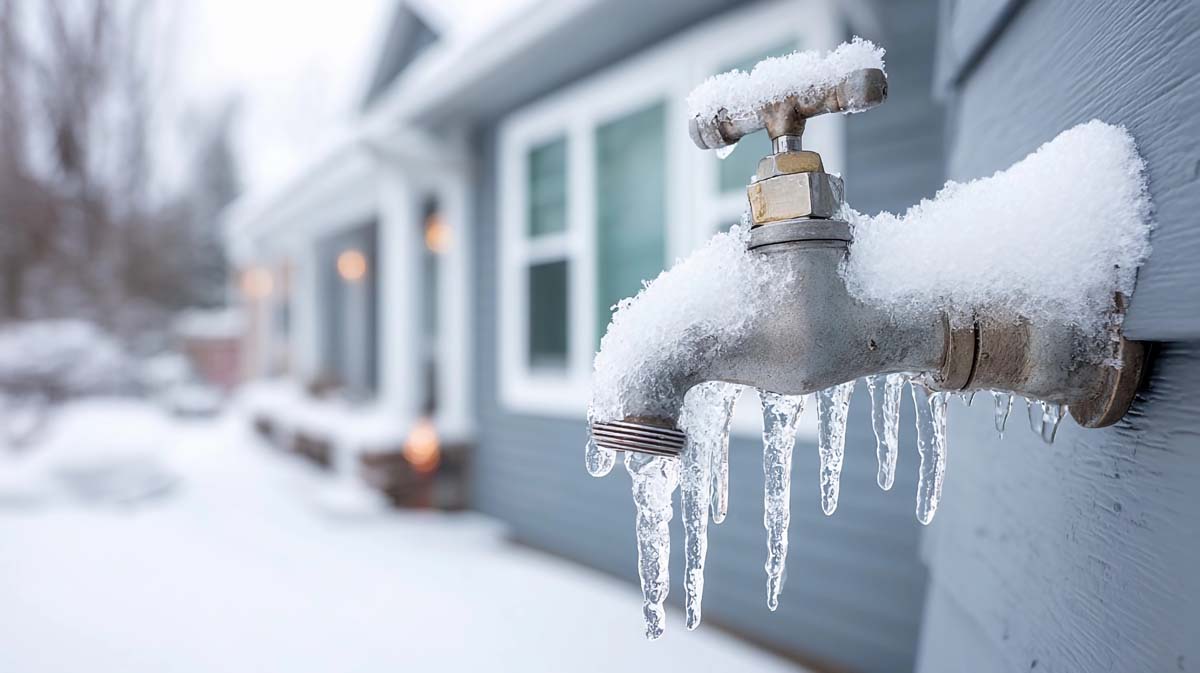
Kamloops winters are notorious for their unpredictable mood swings. One week you are dealing with a bone-chilling minus twenty degrees in Sahali, and the next, a sudden Chinook wind has the snow melting off your driveway in North Kamloops. This constant transition between freezing and thawing is more than just a headache for your commute, it is a brutal stress test for your home’s plumbing system.
As a result, protecting your home requires a proactive strategy that addresses both the extreme cold and the rapid thaws common in the Thompson Valley.
Here are the steps to follow so you can avoid the high cost of emergency repairs and the significant water damage that follows a burst line.
Eliminate Drafts And Seal Common Entry Points
The first line of defense is keeping the freezing air away from your pipes in the first place. In many Kamloops homes, especially older ones in areas like Brocklehurst, small gaps around cable lines, dryer vents, or foundation cracks act as conduits for freezing wind.
Even a tiny draft can lower the temperature in a wall cavity enough to freeze a localized section of pipe, so you need to inspect your home’s perimeter with a keen eye for any opening where daylight or a breeze might be peeking through.
Crawl spaces and basements are the primary offenders for cold air infiltration. Many residents forget to close or seal crawl space vents during the winter months, which essentially invites the Arctic air to circulate directly around your main water lines. Using spray foam or silicone caulk to seal these gaps is one of the most cost-effective ways to prevent a disaster.
To effectively seal your home, focus on these high-risk areas:
- Gaps where outdoor hose bibs enter the siding
- Holes for electrical, cable, or phone lines
- Dryer vent exits and kitchen exhaust fans
- Rim joists in the basement where the house meets the foundation
- Uninsulated crawl space vents and access hatches
By tightening the envelope of your home, you ensure that your heating system isn't fighting a losing battle against the outside elements. A draft-free home is a safer home for your plumbing.
Insulate Vulnerable Lines In Unheated Spaces
Not all pipes are created equal when it comes to winter safety. The lines running through the center of your home are generally safe, but those tucked into attics, unheated garages, or along exterior walls are at constant risk.
Wrapping these vulnerable pipes in foam sleeves or fiberglass batts provides a thermal barrier that slows the rate of heat loss, giving your pipes a fighting chance during an overnight cold snap.
For pipes that are particularly stubborn or located in extremely cold zones, you might want to consider heat tape. This is an electrical cord that you wrap around the pipe to provide a consistent, low-level heat source. Just ensure you are using a product that is CSA-approved and installed according to the manufacturer’s instructions to avoid fire hazards.
Consider these materials and methods for your insulation project:
- Pre-slit foam pipe sleeves for easy DIY installation on long straight runs
- Fiberglass pipe wrap for tight corners and irregular valves
- Specialized faucet covers for the exterior of your home
- Self-regulating heat tape for high-risk zones that frequently freeze
- Reflective foil insulation for pipes located near cold concrete walls
Adding insulation is a one-time task that pays dividends every winter. It is a simple weekend project that can save you thousands of dollars in potential flood damage.
Winterize Your Exterior Fixtures And Hose Bibs
Your outdoor taps are the most exposed part of your plumbing system and often the first to fail. In the BC Interior, the process of winterizing your exterior fixtures should be a mandatory part of your autumn routine.
If you leave a garden hose connected to the tap, the water inside the hose can freeze and back up into the pipe inside your wall. This pressure buildup is the leading cause of burst pipes in the spring, as homeowners only discover the split once they turn the water on for the first garden watering of the year.
The best solution is to install frost-free hose bibs, which feature a long stem that shuts off the water deep inside the warm interior of your house.
Beyond the hose, make sure your outdoor winterization checklist includes these steps:
- Turn off the interior water supply valves for all outdoor spigots
- Open the outdoor taps to allow any trapped water to drain out completely
- Leave the outdoor valves in the "open" position through the winter
- Install insulated faucet socks over the spigots for an extra layer of protection
Taking twenty minutes to clear your outdoor lines in October can prevent a major headache in April. It is the simplest piece of maintenance with the highest stakes.
Maintain Consistent Heat And Strategic Water Flow
When the weather forecast predicts a deep freeze, your daily habits need to shift to protect your home. It can be tempting to turn the heat down to save on utility bills while you are at work, but during an interior cold snap, you should keep your thermostat set to at least 15 to 18 degrees Celsius. This ensures that the air inside your wall cavities stays above freezing.
In extreme cases, where the temperature is projected to stay well below minus twenty for several days, letting a faucet drip can be a lifesaver. You don't need a heavy flow; a slow, steady drip from a faucet located furthest from the main water inlet keeps the water moving.
These small adjustments to your routine provide a critical safety margin when the weather gets truly aggressive. It is about staying one step ahead of the frost.
Secure Your System Against The Thompson Valley Chill
The freeze-thaw cycles of the BC Interior are a reality of life in Kamloops, but they don't have to be a threat to your home’s integrity.
By combining physical barriers like insulation and sealant with smart habits like draining your outdoor lines and maintaining consistent indoor heat, you create a robust defense system. Your plumbing is the lifeblood of your home, and a little bit of respect for the power of ice will keep your water flowing and your floors dry.
Preparation is always cheaper than a restoration. While no one enjoys crawling into a basement or wrapping pipes on a chilly afternoon, the peace of mind you gain is worth the effort. Stay vigilant, keep an eye on the forecast, and don't be afraid to take extra precautions when the Arctic air settles into the valley.
If you are experiencing plumbing or heating issues in Kamloops, Merritt, Chase, Barriere, Salmon Arm, Sicamous, or Logan Lake, Hilltop Plumbing & Heating is here to solve them.
Our team provides comprehensive plumbing, heating and cooling solutions for residential and commercial businesses in Kamloops and across the Thompson Okanagan.