


2026
How to Find and Test Your Main Water Shutoff in Your Okanagan Home Before an Emergency
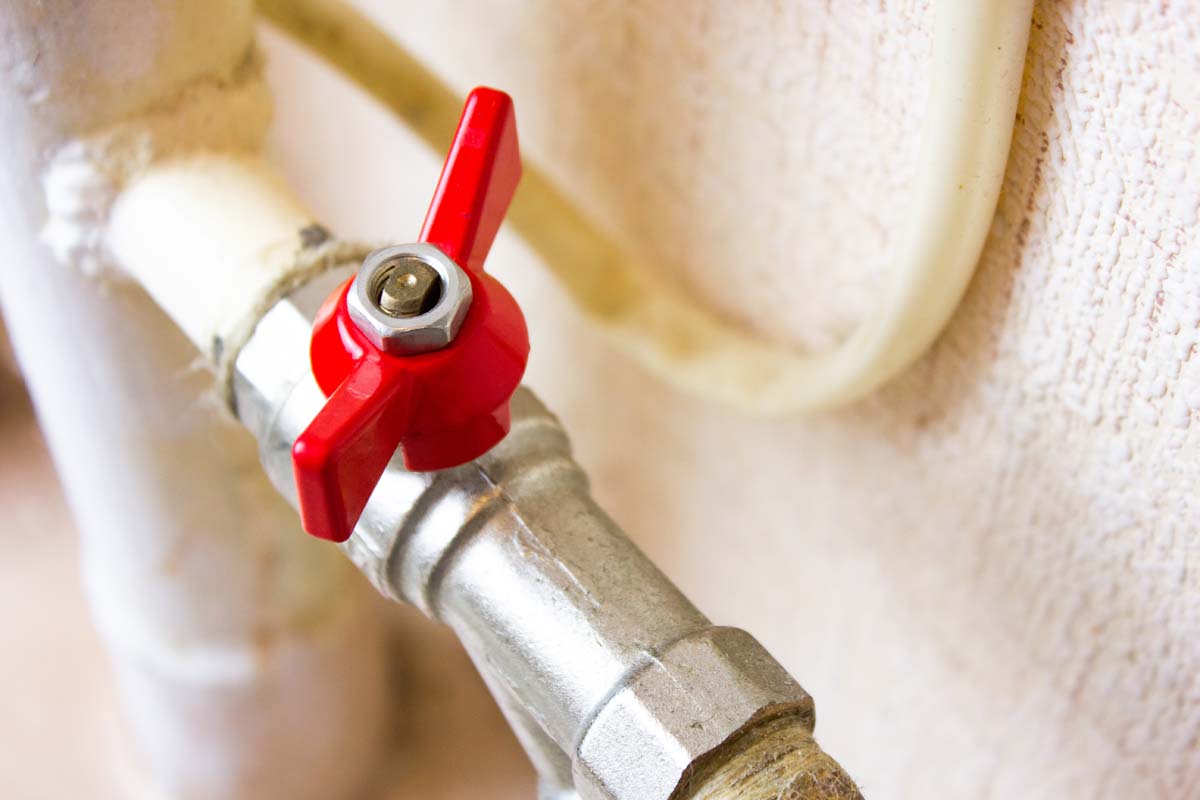
Imagine waking up to the sound of rushing water in the middle of the night. You step out of bed and your feet hit a cold, soaking wet carpet. A pipe has burst, and hundreds of gallons of water are flooding your living room. In this moment, every second counts. If you do not know where your main water shutoff valve is located, those seconds turn into minutes of preventable property damage.
For homeowners in Kamloops and the wider Okanagan region, understanding your plumbing system is not just a chore. It is a vital part of homeownership.
Why Your Main Shutoff Is the Most Important Valve in the House
The main water shutoff valve is the gatekeeper of your entire home. It controls the flow of every drop of water that enters your property from the city supply. When this valve is closed, the pressure stops and the leak dies.
Many people assume they will just call a plumber when things go wrong. While we are always ready to help, a plumber cannot teleport into your basement the moment a pipe cracks. You are the first responder for your home. By the time a professional arrives, an open line can dump enough water to ruin hardwood floors, destroy drywall, and encourage mold growth.
Strategic Locations to Search for Your Water Valve
In the Okanagan, our homes are built to withstand the cold. This means your main shutoff is almost always located indoors to prevent the valve itself from freezing.
You will typically find it on the perimeter wall of your house, usually on the side that faces the street where the city water line enters.
Check these common spots first:
- The Basement: This is the most likely candidate. Look for the pipe entering through the floor or the wall near your water meter.
- The Mechanical Room: Check near your water heater or furnace. Plumbers often group these utilities together for efficiency.
- Crawl Spaces: In some older Kamloops homes or ranch style builds, the shutoff might be tucked away in a crawl space. If it is, ensure there is a clear path to get to it quickly.
- Under the Kitchen Sink: While rare for a main shutoff, some smaller townhomes or units might have a centralized manifold in a cabinet.
How to Identify Ball Valves versus Gate Valves
Not all valves look or operate the same way. Identifying which one you have is crucial because the physical action required to close them is different.
The Ball Valve
Common in newer homes, this features a straight handle that looks like a lever. When the handle is parallel to the pipe, the water is on. To shut it off, you turn the handle 90 degrees so it is perpendicular to the pipe. These are highly reliable and easy to use because they have no internal screw threads to wear out.
The Gate Valve
This is typically found in older Okanagan properties. It has a round handle that looks like a small steering wheel. To close this valve, you must turn it clockwise several times until it is tight. These can be trickier because they are prone to sticking or breaking internally if they have not been moved in years.
Simple Steps to Safely Test Your Shutoff Functionality
Locating the valve is only half the battle. You need to ensure it actually works. Valves that sit in the same position for a decade can become seized or corroded. Testing it twice a year is a great habit to form.
First, go to the highest floor in your house and turn on a faucet. Then, return to your main shutoff and slowly turn it to the off position. If it is a gate valve, do not force it if you feel extreme resistance. Once the valve is closed, go back to that faucet. The water should have stopped completely.
If the water continues to trickle or flow, your valve is failing and needs professional replacement. This is a common issue in the Thompson-Nicola region where hard water minerals can build up inside the valve mechanism and prevent a clean seal.
Red Flags That Your Valve Needs Professional Repair
If you attempt to test your valve and find that it will not budge, or if you notice a small drip coming from the stem when you move it, do not panic. This is exactly why we test during a non-emergency.
- Do not use a wrench for extra leverage: Applying too much force to an old gate valve can snap the internal stem. This can leave you with no way to turn the water back on or off.
- Check for mineral buildup: Sometimes a bit of vinegar or a specialized plumbing lubricant can help, but usually, a seized valve is a sign that the internal components have reached the end of their lifespan.
- Watch for slow leaks: If the valve drips even slightly after you touch it, the packing nut or internal seal is failing.
The Long Term Benefits of Upgrading to Modern Equipment
If your home still uses an old fashioned gate valve, you might consider an upgrade. Modern ball valves are superior for several reasons:
- Quick Action: You can kill the water in a split second with a quarter turn.
Visual Confirmation: You can tell at a glance if the water is on or off based on the handle position. - Durability: They are much less likely to seize or leak over time compared to the screw-down mechanism of a gate valve.
- Peace of Mind: Knowing you have a reliable, easy to operate valve makes home maintenance much less stressful.
Take the Right Steps to Protect Your Okanagan Property
Your home is likely your most significant investment. The plumbing system is its lifeblood, but it can also be its greatest threat if left unmonitored. Taking twenty minutes today to find, test, and label your main water shutoff is one of the most productive things you can do as a homeowner.
If you have searched your basement and crawl space and still cannot find the valve, or if you found it but it will not move, do not leave it to chance.
If you are experiencing plumbing or heating issues in Kamloops, Merritt, Chase, Barriere, Salmon Arm, Sicamous, or Logan Lake, Hilltop Plumbing & Heating is here to solve them.
Our team provides comprehensive plumbing, heating and cooling solutions for residential and commercial businesses in Kamloops and across the Thompson Okanagan.